

The Ultimate Guide to Replacing the Glass in Your Home: Tips and Tricks

When it comes to maintaining your home’s appearance, energy efficiency, and safety, replacing the glass in windows and doors is often an essential task. Broken, cracked, or outdated glass can compromise not just your property’s aesthetics but also its functionality. Whether you’re dealing with a sudden accident or looking to upgrade your glazing, this ultimate guide will walk you through everything you need to know. From recognising when it’s time for a replacement to understanding the process, we’ll share expert tips and tricks to make replacing the glass a hassle-free experience. Why Replacing the Glass is Important Replacing the glass in your home isn’t just about aesthetics—it plays a crucial role in: Signs It’s Time to Replace Your Glass Not sure whether it’s time for replacing the glass? Look out for these common signs: Tips for a Smooth Glass Replacement Here are some essential tips to ensure your glass replacement project goes smoothly: 1. Choose the Right Type of Glass Not all glass is created equal. Depending on your needs, you might consider: 2. Hire Professional Glaziers While some homeowners may attempt DIY replacements, working with a professional ensures the job is done safely and correctly. For expert help, check out our glass replacement services. 3. Consider Frame Condition When replacing the glass, inspect the frame for any damage. A poor-quality frame can reduce the lifespan of your new glass. 4. Plan for Energy Efficiency If you’re replacing the glass anyway, why not upgrade to energy-efficient options? This investment will pay off in reduced energy bills. 5. Keep Maintenance in Mind Ensure you understand the maintenance requirements of the new glass to keep it in top condition. Regular cleaning and inspections can prevent damage over time. Common Questions About Glass Replacement Can I Replace Just the Glass Instead of the Whole Window? Yes, in most cases, you can replace just the glass without needing a full window replacement. This is a cost-effective option if the frame is in good condition. How Long Does Glass Replacement Take? The process is typically quick, depending on the complexity of the job. Professional glaziers can often complete the work in just a few hours. Is Glass Replacement Expensive? Costs vary depending on the type and size of glass. However, upgrading to energy-efficient options can save you money in the long term. Replacing the glass in your home is a practical way to improve energy efficiency, safety, and aesthetics. By identifying the signs of wear and tear early and following our expert tips, you can make the process smooth and stress-free. If you’re ready to upgrade your windows or doors, trust Cove Glass for professional and reliable service. Visit our glass replacement page or contact us today for a quote. FAQs Q1: What’s the best glass for energy efficiency?A1: Low-E glass or double-glazing are excellent options for reducing heat loss and improving energy efficiency. Q2: How do I know if I need to replace or repair glass?A2: If the damage is minor, such as a small chip, a repair may suffice. However, cracks, foggy seals, or major damage often require a full replacement. Q3: Do I need planning permission for replacing glass?A3: Generally, no. However, if you live in a listed building or conservation area, you may need to check with your local council. Chek out the Gov.uk page on planning permissions for more information.
Replacement Window Cost: A Comprehensive Guide for UK Homeowners
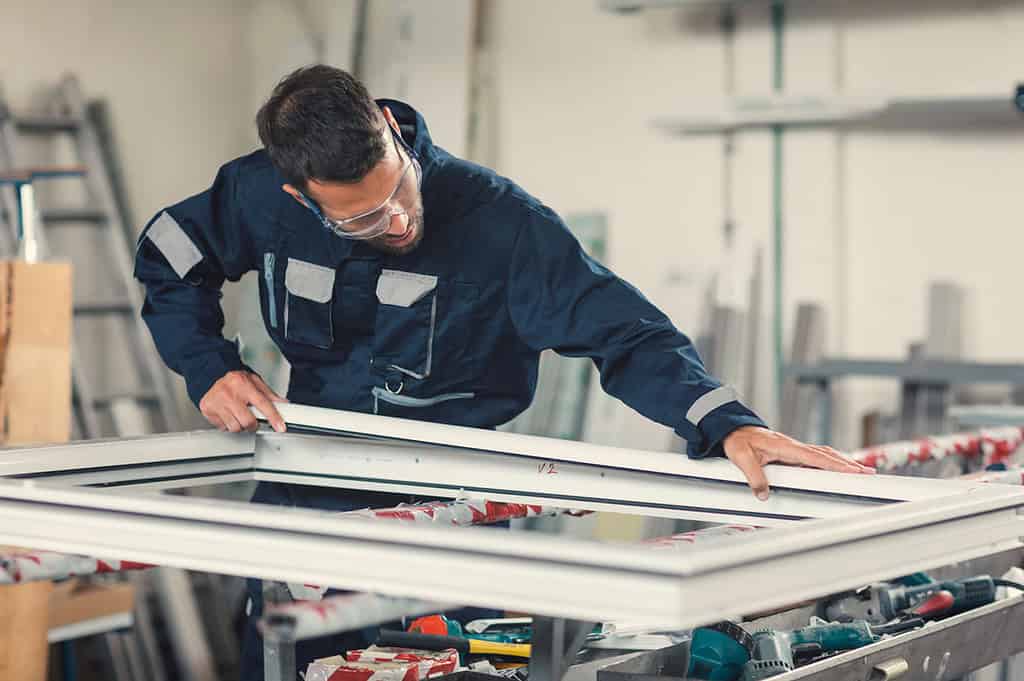
Replacing your windows is an important investment that can improve your home’s energy efficiency, comfort, and value. However, for many UK homeowners, understanding replacement window cost can feel like a daunting task. With so many factors influencing the replacement window cost – from materials and styles to glazing options and labour costs – it’s essential to know what to expect before getting started. In this guide, we’ll break down the average replacement window cost in the UK, the factors that affect pricing, and how to make the most of your budget. Average Replacement Window Cost in the UK The replacement replacement cost in the UK varies depending on the type of window, material, and glazing options you choose. Here’s an overview of typical costs per window: If you’re replacing all the windows in an average three-bedroom semi-detached house, the total cost can range from £4,000 to £7,000, depending on your choices. For larger homes or custom designs, this cost may increase. To get an accurate quote tailored to your needs, contact Cove Glass for professional advice and competitive replacement window cost. Factors That Affect Replacement Window Cost Several factors influence the final replacement window cost. Understanding these will help you make informed decisions and plan your budget effectively. 1. Material Choice The material of the window frame plays a significant role in determining replacement window costs. 2. Window Style Different window styles come with varying costs due to the materials and labour involved: 3. Glazing Options The type of glazing you choose can significantly impact the replacement window cost: 4. Size and Quantity The number of windows you’re replacing and their size will also affect the total cost. Larger or custom-shaped windows require more materials and labour, increasing the price. 5. Installation Costs Professional installation is essential for ensuring your new windows perform well and last for years. Labour costs in the UK typically range from £150 to £300 per window, depending on the complexity of the job and your location. 6. Location Prices can vary across the UK. For example, window replacement in London and the South East may be more expensive than in other regions due to higher labour and material costs. How to Save Money on Replacement Window Costs While replacing your windows is a significant investment, there are ways to reduce costs without compromising on quality: 1. Get Multiple Quotes Request quotes from several reputable companies to compare prices and ensure you’re getting the best value for money. 2. Replace in Stages If replacing all your windows at once isn’t feasible, consider replacing them in stages. Start with the windows that are in the worst condition and work your way through the rest over time. 3. Choose Energy-Efficient Windows Investing in energy-efficient windows may have a higher upfront cost, but they’ll save you money in the long run through reduced energy bills. Look for windows with a high Window Energy Rating (WER). 4. Opt for Standard Designs Custom designs or specialty glass can increase costs significantly. Choosing standard window sizes and styles can help keep costs down. 5. Work with a Trusted Local Glazier Local companies like Cove Glass often offer competitive pricing and personalised service, helping you save money while ensuring a high-quality installation. Why Invest in Replacement Windows? While the cost of replacing windows can seem high, the long-term benefits make it a worthwhile investment: Why Choose Cove Glass for Window Replacement? At Cove Glass, we provide high-quality replacement windows and expert installation services tailored to your needs. What We Offer: Contact us today for a free consultation and find out how we can help you upgrade your windows! Understanding the replacement window cost is essential for planning your home improvement project effectively. By considering factors such as materials, styles, and glazing options, you can make informed decisions that fit your budget and enhance your home’s energy efficiency and value. If you’re ready to replace your windows, trust Cove Glass for high-quality products, competitive pricing, and expert installation. Contact us today to get started! FAQs Q1: How long do replacement windows last?A1: With proper maintenance, modern replacement windows can last 20-30 years or more. Check out the Gov.uk page on energy efficiency to learn more about how to make your home more energy efficient. Q2: Are replacement windows worth the cost?A2: Yes! Replacement windows improve energy efficiency, enhance comfort, and increase property value, making them a worthwhile investment. Q3: Can I replace just the glass instead of the entire window?A3: Yes, if the frames are in good condition, replacing just the glass unit can be a more affordable option.
Why Choosing a Local Glazier Is the Best Option for Your Home

When it comes to repairing or replacing glass in your home, finding the right professional for the job is crucial. While large national companies might seem like a convenient option, there are several advantages to hiring a local glazier instead. From providing personalised service to offering faster response times, a trusted local glazier can meet your needs efficiently and affordably. In this blog, we’ll explore why choosing a local glazier is the best option for your home and how it can benefit you in the long run. What Is a Local Glazier? A local glazier is a glass specialist based in your area who provides a wide range of services, including: Unlike larger companies, local glaziers often work within a specific geographic region, allowing them to provide more focused and personalised service. 1. Personalised Service and Expert Advice One of the biggest advantages of choosing a local glazier is the personalised service you’ll receive. Local professionals take the time to understand your needs and offer tailored solutions that fit your home, style, and budget. Why This Matters: 2. Faster Response Times When you need glass repairs, time is often of the essence – especially in the case of broken windows or doors that compromise your home’s security. Benefits of Hiring a Local Glazier: For fast and reliable service, contact Cove Glass – your trusted glazier in the area. 3. Cost-Effective Solutions Hiring a local glazier can often save you money compared to larger companies. Here’s how: By choosing a local glazier, you can enjoy high-quality services at a price that won’t break the bank. 4. Knowledge of Local Conditions A local glazier understands the specific needs and challenges of your area, from weather conditions to building regulations. Why This Is Important: 5. Supporting Local Businesses When you hire a glazier locally, you’re supporting a small business in your community. This helps boost the local economy and creates jobs for skilled professionals in your area. Additional Benefits: By choosing a local business like Cove Glass, you’re investing in your community while receiving top-notch service. 6. Eco-Friendly Practices Many glaziers focus on sustainable practices, such as recycling old glass and using energy-efficient products. By working with a local glazier, you can reduce the environmental impact of your glass repair or replacement project. Why Choose Cove Glass as Your Glazier? At Cove Glass, we pride ourselves on delivering high-quality glazing services to homeowners in the local area. What We Offer: Whether you need double glazing repairs, window replacements, or custom glass cutting, our team of skilled glaziers is here to help. Contact us today for a free consultation! Choosing a local glazier is the best option for homeowners who value personalised service, fast response times, and cost-effective solutions. By working with a trusted local professional, you can ensure your glass repairs or replacements are handled efficiently and to the highest standard. If you’re looking for a reliable local glazier, get in touch with Cove Glass today. Let us help you enhance your home with expert glazing services tailored to your needs. FAQs Q1: How do I find a reliable local glazier?A1: Start by checking online reviews, asking for recommendations from friends or neighbours, and looking for accreditations or certifications. Q2: Do local glaziers offer emergency repair services?A2: Yes, many glaziers, including Cove Glass, provide same-day or next-day emergency services for broken windows or glass. Q3: Are local glaziers more affordable than national companies?A3: In most cases, glaziers offer competitive pricing and lower overheads, making them a cost-effective option. For more ways to improve your home’s energy efficiency, look at the official Gov.uk page.
Double Glazing Unit Installation: What to Expect and How It Works
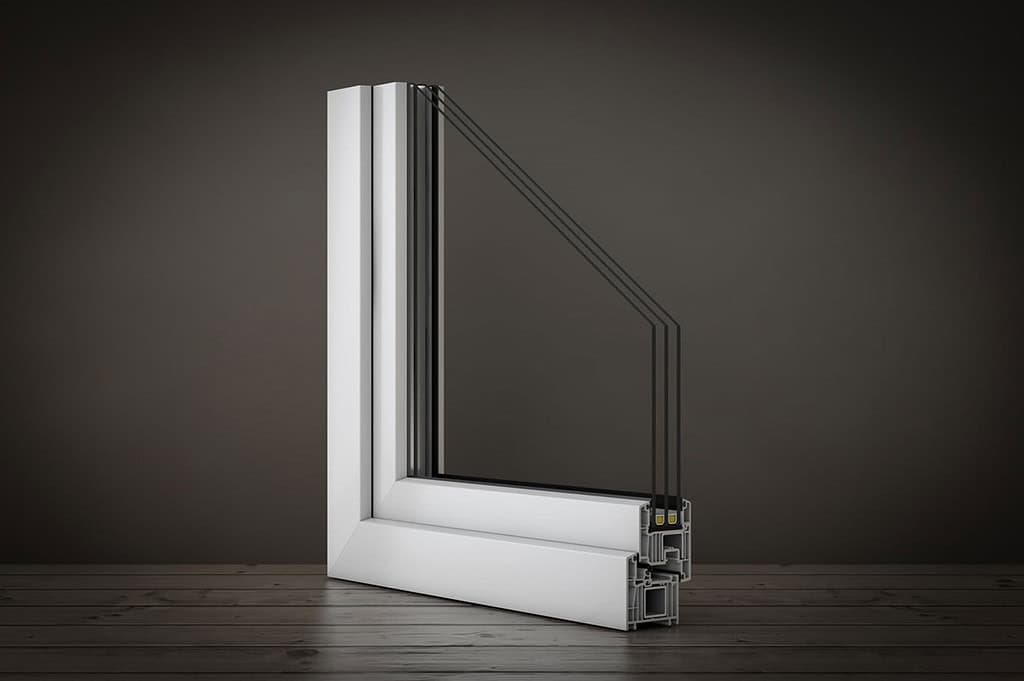
Installing a double glazing unit is one of the best ways to improve your home’s energy efficiency, reduce noise pollution, and enhance its overall comfort. Whether you’re upgrading old single-glazed windows or replacing worn-out double glazing, understanding the installation process can help you feel confident about the work being done. In this blog, we’ll explain what to expect during a double glazing unit installation, how the process works, and why professional installation is key to getting the best results. What Is a Double Glazing Unit? A double glazing unit consists of two panes of glass separated by a spacer bar to create an insulating gap. This gap is typically filled with air or an inert gas like argon to reduce heat transfer and improve insulation. The edges are sealed to prevent moisture and air from entering, ensuring the unit stays efficient over time. Key Benefits of Double Glazing Units: How Does Double Glazing Unit Installation Work? The installation process for a double glazing unit involves several key steps, each designed to ensure a perfect fit and long-lasting performance. Here’s what you can expect: 1. Initial Assessment and Measurements The first step is for a professional installer to assess your existing windows and take precise measurements. This ensures that the new double glazing units are the correct size and fit seamlessly into your frames. What Happens During the Assessment: 2. Manufacturing the Double Glazing Unit Once measurements are taken, your double glazing unit will be custom-made to match your specifications. This process includes: This ensures that your double glazing unit is tailored to your home’s unique requirements. 3. Preparing for Installation On installation day, your home will be prepared to minimise disruption: If the existing frames are damaged or unsuitable for double glazing, they may need to be repaired or replaced. 4. Installing the Double Glazing Unit The new double glazing unit is then fitted into the frame. This involves: Once installed, the window is tested to ensure it opens, closes, and locks correctly. 5. Final Touches and Clean-Up After the installation is complete, the installers will: How Long Does Double Glazing Unit Installation Take? The time required for installation depends on the number of windows and the complexity of the job. On average: Your installer will provide a time estimate during the initial consultation so you can plan accordingly. Why Professional Installation Is Essential While some homeowners may consider DIY installation, professional installation is highly recommended to ensure the best results. Here’s why: 1. Precise Fit Professionals have the tools and expertise to ensure your double glazing unit fits perfectly, preventing draughts and leaks. 2. Compliance with Regulations In the UK, double glazing installations must comply with building regulations to ensure energy efficiency and safety. Professional installers are certified to meet these standards. 3. Warranty Protection Most professional installations come with a warranty, giving you peace of mind that your investment is protected. 4. Expert Advice Installers can recommend the best options for your home, from glass types to frame materials, ensuring you get the most value from your upgrade. Benefits of Installing Double Glazing Units 1. Energy Savings Double glazing reduces heat loss, meaning you’ll rely less on your heating system. This can lead to significant savings on your energy bills. 2. Improved Comfort With better insulation and draught prevention, your home will feel warmer in winter and cooler in summer. 3. Noise Reduction Double glazing units are excellent at reducing external noise, making them ideal for homes near busy roads or airports. 4. Increased Property Value Energy-efficient windows are a desirable feature for homebuyers, so installing double glazing can boost your property’s resale value. Why Choose Cove Glass for Double Glazing Unit Installation? At Cove Glass, we pride ourselves on delivering high-quality double glazing units and professional installation services tailored to your needs. What We Offer: Ready to upgrade your windows? Contact Cove Glass today for a free consultation and quote! Installing a double glazing unit is a smart investment that improves your home’s energy efficiency, comfort, and value. By understanding the installation process and choosing a professional service, you can ensure a hassle-free upgrade that transforms your living space. If you’re ready to enhance your home with high-quality double glazing units, get in touch with the experts at Cove Glass today. Let us help you enjoy the benefits of modern, energy-efficient windows! FAQs Q1: Can I replace just the glass in a double glazing unit?A1: Yes, if the frames are in good condition, you can replace just the glass unit rather than the entire window. Q2: How long do double glazing units last?A2: Double glazing units typically last 20-30 years, depending on the quality of materials and installation. Have a look at the official Gov.uk page for more says to make your home more energy efficient. Q3: Is double glazing installation messy?A3: Professional installers take steps to minimise mess and disruption, such as using dust sheets and cleaning up after the job is done.
Double Glazing Panels Explained: Costs, Materials, and Maintenance
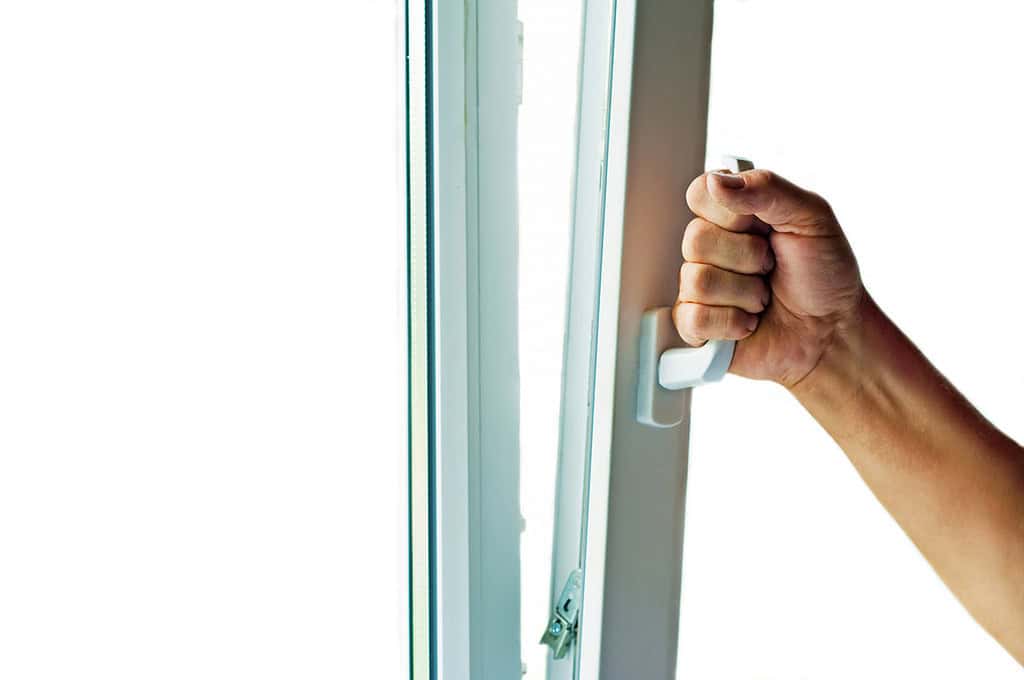
When it comes to enhancing your home’s comfort, energy efficiency, and overall value, double glazing panels are a top choice for homeowners across the UK. These panels are designed to reduce heat loss, cut down on energy bills, and even minimise outside noise, making them an ideal solution for modern living. But how much do they cost? What materials are available? And how can you maintain them for long-lasting performance? This comprehensive guide will answer all your questions about double glazing panels, so you can make an informed decision for your home. What Are Double Glazing Panels? Double glazing panels consist of two panes of glass separated by a layer of gas or air, which acts as insulation. This design creates a thermal barrier that keeps heat inside your home during the colder months and prevents it from entering during the summer. Key benefits of double glazing panels include: Costs of Double Glazing Panels The cost of double glazing panels depends on several factors, such as window size, material, and additional features. Here’s a breakdown of the typical costs you can expect in the UK: Additional costs to consider: While initial costs can seem high, double glazing is an investment that pays off over time through energy savings and added property value. Materials Used in Double Glazing Panels Choosing the right material for your double glazing panels is essential for balancing aesthetics, performance, and cost. 1. uPVC (Unplasticised Polyvinyl Chloride) 2. Aluminium 3. Timber 4. Composite Frames Each material offers unique benefits, so consider your budget and the style of your home when making a choice. Maintaining Double Glazing Panels To maximise the lifespan of your double glazing panels, proper maintenance is essential. Here are some practical tips: 1. Clean Glass Regularly Use a soft cloth and a non-abrasive cleaner to keep the glass clear and free of streaks. Avoid harsh chemicals that could damage the coatings. 2. Check for Condensation If condensation forms between the panes, it may indicate a failed seal. Contact a professional glazier to repair or replace the affected unit. 3. Inspect Frames and Seals Regularly check the frames for signs of wear, such as cracks or gaps, and reseal if necessary to maintain energy efficiency. 4. Lubricate Hinges and Locks Keep moving parts in good condition by applying a silicone-based lubricant to hinges, handles, and locks. 5. Avoid Excess Weight Don’t hang heavy curtains or blinds that put pressure on the frame, as this can cause misalignment over time. Why Choose Double Glazing Panels? Still deciding if double glazing panels are right for you? Here are some compelling reasons to make the upgrade: Double glazing panels are a smart investment for any homeowner, offering long-term savings, improved comfort, and enhanced property value. By understanding the costs, materials, and maintenance requirements, you can make an informed choice that suits your budget and lifestyle. If you’re ready to upgrade your windows, trust the experts at Cove Glass to deliver professional, high-quality service. Visit our glass replacement page or call us on 01252 318787 for a free consultation today. FAQs Q1: How long do double glazing panels last?A1: Double glazing panels typically last 20-25 years, depending on the quality of the materials and installation. Q2: Can you replace just the glass in double glazing panels?A2: Yes, if the frame is in good condition, you can replace just the glass instead of the entire window. Q3: Is double glazing worth the investment?A3: Absolutely. Double glazing can reduce energy bills, enhance comfort, and add value to your home, making it a worthwhile investment. For more ideas on how to make your home more energy efficient, check out the official Gov.uk page.
How to Replace uPVC Window Handle Without Calling a Professional
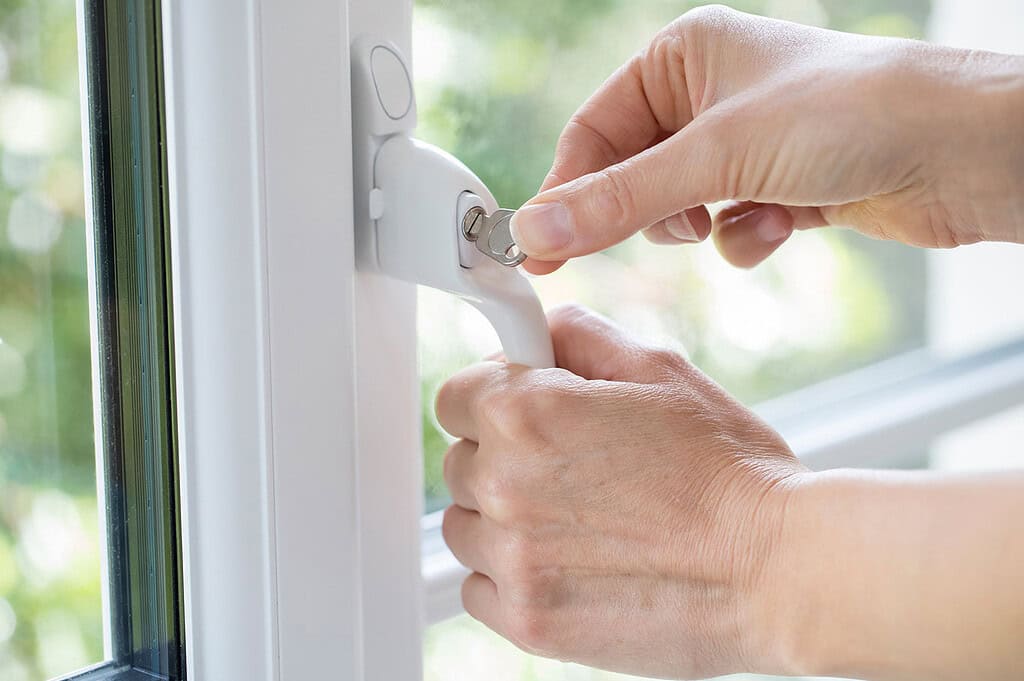
A faulty or broken uPVC window handle can be frustrating, but the good news is that it’s a straightforward fix you can do yourself. Knowing how to replace uPVC window handles can save you time and money, and restore the functionality of your window in no time. This guide will walk you through the steps with ease. Why Replace a uPVC Window Handle? Over time, uPVC window handles can become worn, loose, or damaged. Replacing them is necessary when: Tools You’ll Need Step-by-Step Guide on How to Replace uPVC Window Handles 1. Remove the Old Handle 2. Measure the Spindle Length 3. Choose the Right Replacement Handle 4. Install the New Handle 5. Replace the Screw Cover How to Replace uPVC Window Handles: Common Mistakes to Avoid Not Measuring the Spindle Length Correctly Over-Tightening Screws Choosing the Wrong Handle Type How to Replace uPVC Window Handles: Why Choose Professional Assistance for Complex Repairs? While replacing a uPVC window handle is usually straightforward, complex issues like frame damage or locking mechanism faults may require professional help. Visit our Window Replacement Services at Cove Glass for expert advice and support. How to Replace uPVC Window Handles: FAQs Q1: Can you tell me how to replace uPVC window handles without professional help? A1: Yes, it’s a simple DIY task that requires minimal tools and time. Q2: How do I know if my replacement handle is the right fit? A2: Match the spindle length, handle style, and locking mechanism direction to the old handle. Q3: What should I do if the screws are stuck? A3: Apply a small amount of lubricant to loosen stubborn screws, or use a screwdriver with a better grip. For more information on how to make your home more energy efficient, have a look at the official Gov.uk page.
How to Measure Double Glazed Unit Thickness for Accurate Replacements
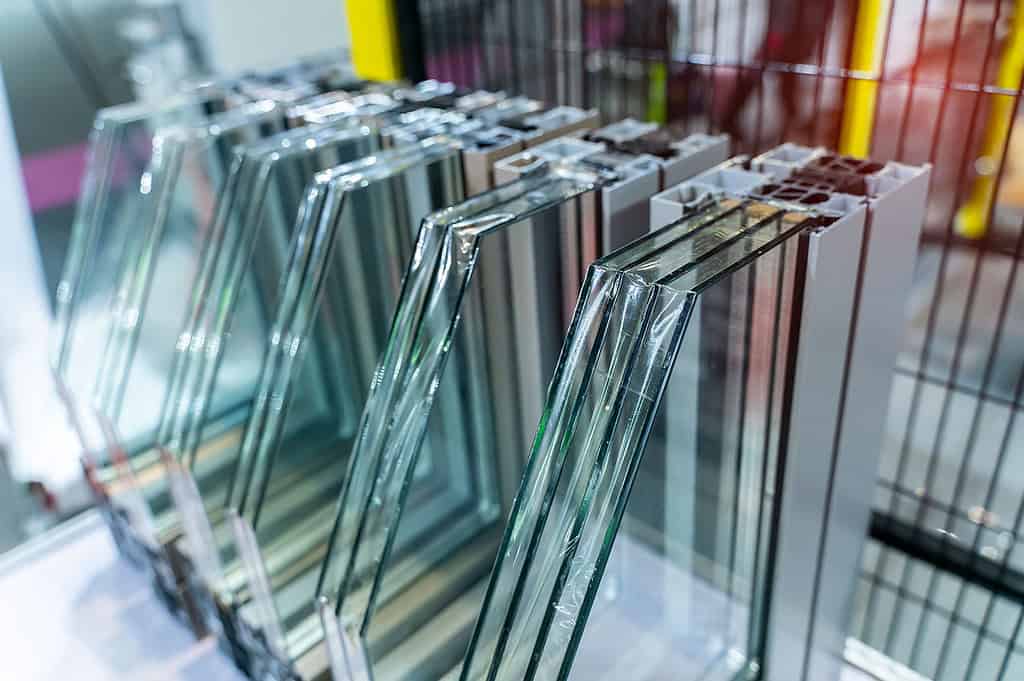
Accurately measuring double glazed unit thickness is essential when replacing damaged or inefficient glazing. It ensures the replacement unit fits perfectly, maintaining the window’s energy efficiency and aesthetics. Here’s a comprehensive guide on how to measure double glazed unit thickness with precision, saving time and avoiding costly errors. How to Measure Double Glazed Unit Thickness: Why Measuring Thickness Matters Getting the correct thickness ensures: Tools You’ll Need Step-by-Step Guide for How to Measure Double Glazed Unit Thickness 1. Understand the Unit Composition A double glazed unit typically consists of: The total thickness includes the glass, spacer, and any coatings or sealants. 2. Use a Glass Thickness Gauge 3. Estimate Without a Gauge If a glass thickness gauge isn’t available: 4. Measure the Spacer Bar Width 5. Confirm the Total Thickness Add together: For example: If each glass pane is 4mm thick and the spacer bar is 12mm, the total thickness would be 20mm. How to Measure Double Glazed Unit Thickness: Common Unit Thicknesses Tips for Accurate Measurement How to Measure Double Glazed Unit Thickness: Why Professional Measurements Matter While DIY methods can work, professional services offer: Contact Cove Glass today for expert assistance with your double glazed units. How to Measure Double Glazed Unit Thickness: FAQs Q1: Can I measure double glazed thickness without removing the unit? A1: Yes, using a glass thickness gauge or by visually inspecting the spacer bar and estimating the glass thickness. Q2: What if the unit is misted or damaged? A2: Contact a glazing professional to assess and measure the unit accurately for a replacement. Q3: Are thicker units always better? A3: Thicker units can provide better insulation, but the frame must support the added thickness. Consult a professional to confirm compatibility. For more information on how to make your home more energy efficient, have a look at the official Gov.uk page.
How Much Will It Cost to Replace a Window? A Guide for Homeowners
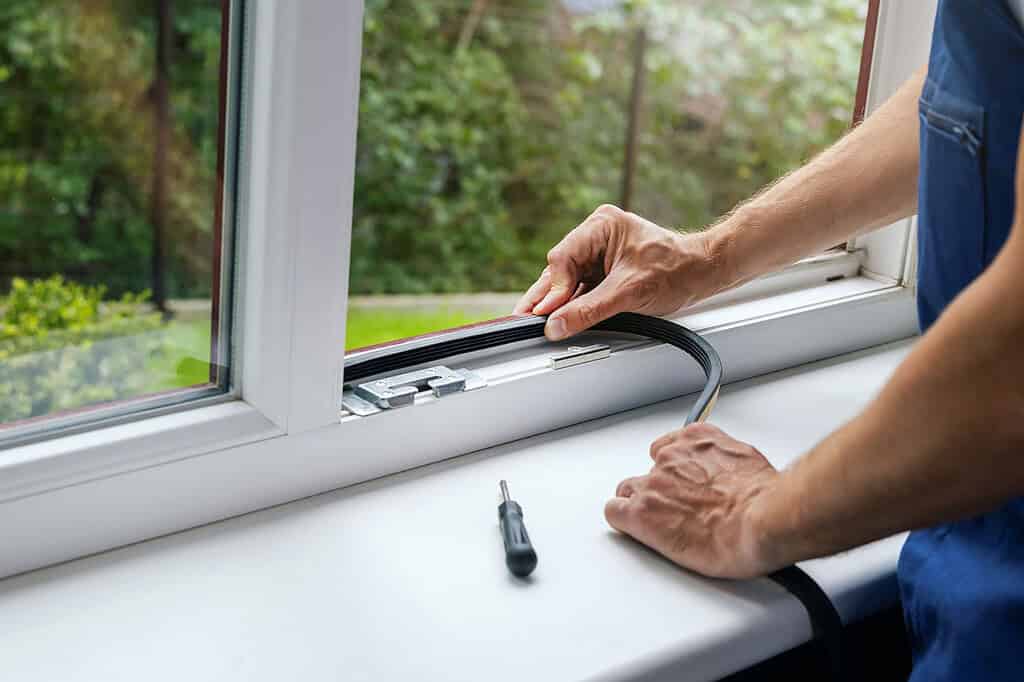
Replacing a window is an important home improvement project, whether to enhance energy efficiency, upgrade aesthetics, or repair damage. But how much will it cost to replace a window, and what factors influence the price? In this guide, we break down the costs involved, help you understand the variables, and offer tips for making the most of your investment. How Much Will It Cost to Replace a Window?: Average Costs of Window Replacement The cost to replace a window in the UK varies depending on the window type, materials, and labour. Below are the average costs for popular window types: How Much Will It Cost to Replace a Window?: Factors That Influence Costs 1. Type of Window Different window styles, such as casement, sash, or bay windows, have varying costs due to complexity and materials. 2. Frame Material 3. Glazing Options 4. Size and Complexity Larger or custom-shaped windows often cost more due to increased materials and labour. 5. Labour Costs Labour charges can vary based on location and the complexity of installation. On average, expect to pay £100 to £300 per window for installation in the UK. 6. Additional Features How Much Will It Cost to Replace a Window?: Tips to Save Money Compare Quotes Choose Standard Sizes Opt for Energy Efficiency Schedule in Off-Peak Seasons How Much Will It Cost to Replace a Window?: Why Professional Installation Matters While DIY installation might seem cost-effective, professional fitting ensures: Contact us at Cove Glass for expert window replacement services. How Much Will It Cost to Replace a Window?: FAQs Q1: Can replacing windows increase my home’s value? A1: Yes, new windows enhance energy efficiency, curb appeal, and security, making your home more attractive to buyers. Q2: How long does window replacement take? A2: Typically, it takes 1-2 hours per window, but this can vary based on size and complexity. Q3: Are there grants for window replacement in the UK? A3: Some schemes, like the ECO4 initiative, may help cover costs for energy-efficient upgrades. Check local availability. For more information on how to make your home more energy efficient, have a look at the official Gov.uk page.
How Do You Adjust Double Glazed Windows for Energy Efficiency?
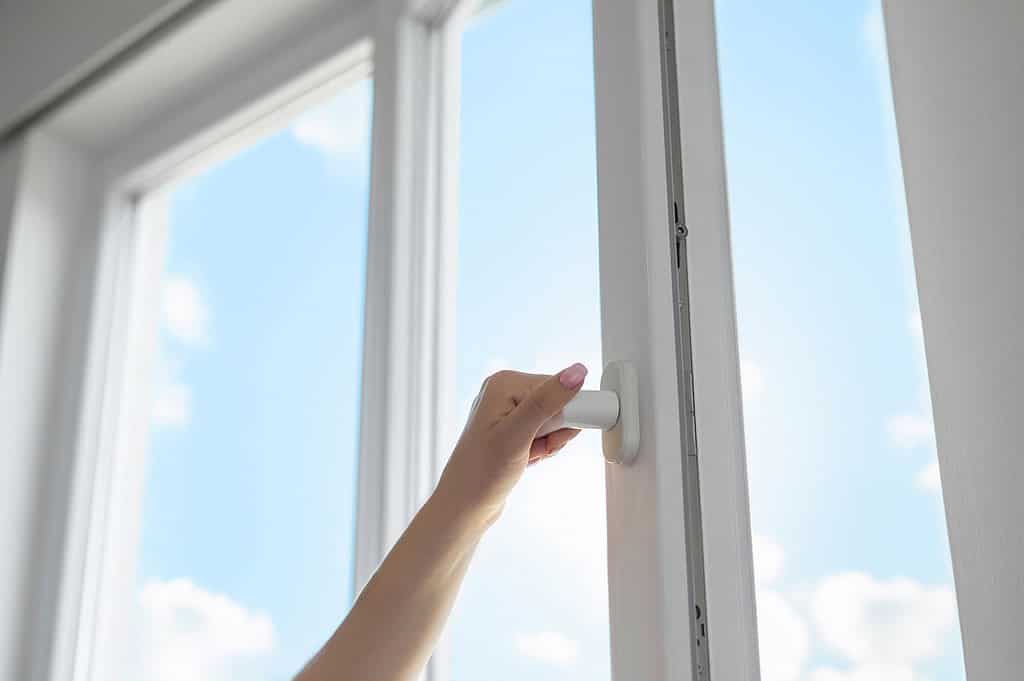
how do you adjust double glazed windows for energy efficiency? Double glazed windows are an excellent choice for boosting energy efficiency and maintaining a comfortable home environment. However, over time, even the best windows may require adjustments to function optimally. Knowing how to adjust double glazed windows can help prevent draughts, reduce energy bills, and ensure smooth operation. This guide will walk you through essential tips for maintaining and adjusting your windows effectively. Why Adjustment Matters Properly adjusted double glazed windows are essential for: How Do You Adjust Double Glazed Windows?: Tools You’ll Need Before you start adjusting your double glazed windows, gather the following tools: How Do You Adjust Double Glazed Windows?: Step-by-Step Guide 1. Inspect the Hinges and Mechanisms 2. Adjusting the Hinges 3. Check the Locking Mechanism 4. Align the Window Sash 5. Seal Gaps How Do You Adjust Double Glazed Windows?: Pro Tips for Maintenance The Impact of Poorly Adjusted Windows on Energy Efficiency Even high-quality double glazed windows can underperform if they’re not properly adjusted. When windows don’t close flush against the frame or have small gaps due to hinge misalignment, they allow cold air to seep in and warm air to escape. This not only creates draughts but forces your heating system to work harder to maintain indoor temperatures. In summer, poorly sealed windows can let in unwanted heat, making cooling systems less effective. Over time, these inefficiencies can take a toll on your comfort and energy usage. Additionally, minor alignment issues can lead to extra strain on locks, hinges, and seals, shortening the window’s lifespan. Many homeowners assume they need new windows when a simple adjustment would restore full performance. At Cove Glass, we often find that correcting alignment, tightening mechanisms, or replacing a worn seal can make a huge difference. Keeping your windows properly adjusted is one of the easiest ways to maintain a cosy and energy-efficient home. How Seasonal Changes Affect Window Performance Many homeowners notice their windows behaving differently throughout the year. In the colder months, frames can contract slightly, leading to small gaps that weren’t present in summer. In warmer weather, the materials may expand, causing stiffness or difficulty closing the window fully. These changes are completely normal and happen more often with older frames or in homes exposed to extreme temperature shifts. Over time, these subtle movements can misalign the sash or strain the hinges. Adjusting your double glazed windows seasonally can help counteract these effects, ensuring a tighter seal year-round. It’s a good idea to check your windows at the start of each season — especially before winter — to ensure they’re functioning properly. Keeping an eye on draughts, hinge tension, and locking alignment can help maintain energy efficiency regardless of the weather. Regular seasonal adjustments are a quick and effective way to reduce heat loss and maintain a comfortable indoor environment. Window Seals: Small Component, Big Impact Window seals may seem like a minor part of your double glazed unit, but they play a crucial role in energy efficiency. These rubber or foam strips run along the edges of the frame and ensure the window forms a tight seal when closed. Over time, seals can become brittle, compressed, or damaged due to everyday use and weather exposure. Once the seal is compromised, warm air can escape and cold air can find its way in, reducing the overall performance of your windows. You might also notice more condensation or hear more outside noise. Fortunately, seals are relatively easy to inspect and replace. If you’re adjusting your window for energy efficiency, don’t overlook the condition of the seals. A fresh, properly fitted seal can significantly improve insulation without requiring any major repairs. Regular inspection and replacement of worn seals is one of the most cost-effective ways to keep your double glazed windows working efficiently. Preventative Maintenance for Long-Term Energy Savings Preventative maintenance is often the difference between windows that last for decades and those that fail prematurely. Simple tasks carried out once or twice a year can keep your double glazed windows in top condition and functioning at their most energy-efficient. Start by cleaning around the hinges, locks and tracks to prevent build-up of dirt or debris, which can cause friction and misalignment over time. Lubricating moving parts with a non-corrosive spray helps prevent sticking or stiffness, particularly in colder months. Make a habit of checking for draughts, unusual gaps or any difficulty with the lock or handle — these are usually early signs of an issue that needs adjustment. If caught early, most problems are simple to fix and won’t require costly intervention. Preventative maintenance doesn’t just protect your windows; it protects your home from energy loss and unnecessary wear and tear. With a little regular care, your windows can continue to perform well for many years to come. How Do You Adjust Double Glazed Windows?: When to Seek Professional Help While many adjustments can be done independently, some issues may require expert assistance. Contact a professional if: Visit our Double Glazing page for more tips and expert services. FAQs Q1: How do I know if my double glazed windows need adjusting? A1: Look for signs like draughts, difficulty opening/closing, or gaps between the sash and frame. Q2: How do you adjust double glazed windows without professional help? A2: Yes, basic adjustments to hinges, locks, and seals can be done with common tools like a screwdriver and Allen key. Q3: How often should I inspect my double glazed windows? A3: Inspect your windows at least once a year to ensure they’re functioning correctly and to address any minor issues promptly. For more ways to save energy in your home, check out the official Gov.uk page.
Single Glazed Glass: Pros, Cons, and When to Upgrade

Single glazed glass has been a staple in homes for decades. However, as energy efficiency and noise reduction become increasingly important, many homeowners are reconsidering its practicality. In this guide, we explore the pros and cons of single glazed glass and provide insights into when upgrading to modern glazing options might be the best choice for your home. What is Single Glazed Glass? Single glazed glass consists of a single pane of glass, typically around 3-10mm thick. It’s commonly found in older properties and is valued for its simplicity and affordability. Pros of Single Glazed Glass 1. Affordability 2. Easy Repairs 3. Classic Aesthetics Cons of Single Glazed Glass 1. Poor Energy Efficiency 2. Limited Noise Reduction 3. Condensation Issues 4. Lack of Security When to Upgrade Single Glazed Glass If you’re experiencing the following issues, upgrading might be a wise decision: 1. Rising Energy Bills 2. Excessive Noise Pollution 3. Condensation Problems 4. Home Security Concerns Upgrade Options to Consider 1. Double Glazing 2. Secondary Glazing 3. Triple Glazing Explore modern glazing solutions with Cove Glass to find the perfect fit for your home. Why Choose Cove Glass for Your Glazing Needs? Whether you’re considering maintaining your single glazed glass or upgrading to a more modern solution, our team at Cove Glass offers expert advice and installation services tailored to your home’s needs. Contact us today at 01252 318787. FAQs Q1: Is single glazed glass still a good option for homes? A1: Single glazing may be suitable for heritage homes or budget-limited projects but lacks the energy efficiency and noise reduction of modern alternatives. Q2: Can I improve the performance of single glazed glass without replacing it? A2: Yes, adding secondary glazing, thermal curtains, or draught-proofing can help improve insulation and reduce heat loss. Q3: How much can I save by upgrading from single to double glazing? A3: On average, double glazing can reduce energy bills by up to 20%, depending on the size and insulation of your property. For more information on how to make your home more energy efficient, have a look at the official Gov.uk page.