

How to Measure for Replacement Windows: Tips for a Perfect Fit
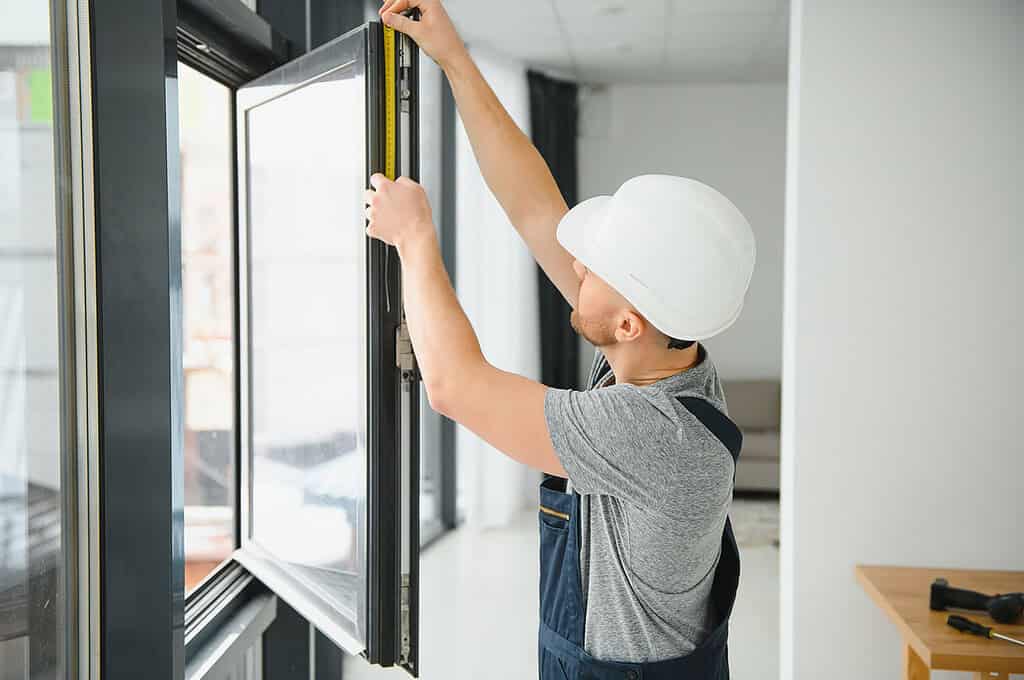
Replacing windows can be a significant home improvement project, but it all starts with accurate measurements. A precise fit ensures proper installation, enhances energy efficiency, and improves the aesthetics of your home. This guide will show you how to measure for replacement windows like a professional, avoiding common mistakes that could lead to costly errors. How to Measure for Replacement Windows: Why Accurate Measurements Are Essential Properly measuring for replacement windows is critical for: Tools You’ll Need Gather these tools before you begin: How to Measure for Replacement Windows: Step-by-Step Guide 1. Measure the Window Opening Width Take three measurements of the window’s width: Record the smallest measurement to ensure the replacement window fits within the opening. 2. Measure the Window Opening Height Take three height measurements: Record the smallest measurement here as well. 3. Check the Depth Measure the depth of the window opening from the interior side to the exterior edge. A minimum depth is typically required to accommodate modern replacement windows. 4. Account for Window Frame Types How to Measure for Replacement Windows: Common Mistakes to Avoid Relying on a Single Measurement Forgetting to Check for Level and Square Ignoring Frame Protrusions Pro Tips for Accurate Measurements Why Choose Professional Assistance? Although measuring for replacement windows can be a DIY task, working with professionals ensures: Visit Cove Glass to schedule your consultation and explore our range of replacement window solutions. FAQs Q1: Can you tell me how to measure for replacement windows without removing the existing frames? A1: Yes, for insert replacements, you can measure within the existing frame. For full-frame replacements, ensure the entire opening is exposed. Q2: Can you tell me how to measure for replacement windows if the frames are not square? A2: Take extra care to measure diagonally from corner to corner. If there’s a significant difference, professional adjustments may be required during installation. Q3: Do I need to measure from the inside or outside? A3: Measure from the inside for interior fit and from the outside for full-frame replacements. Ensure measurements align for consistency. For more information on how to make your home more energy efficient, have a look at the official Gov.uk page.
How to Get Rid of Condensation Inside Double Glazed Windows Without Replacing Them
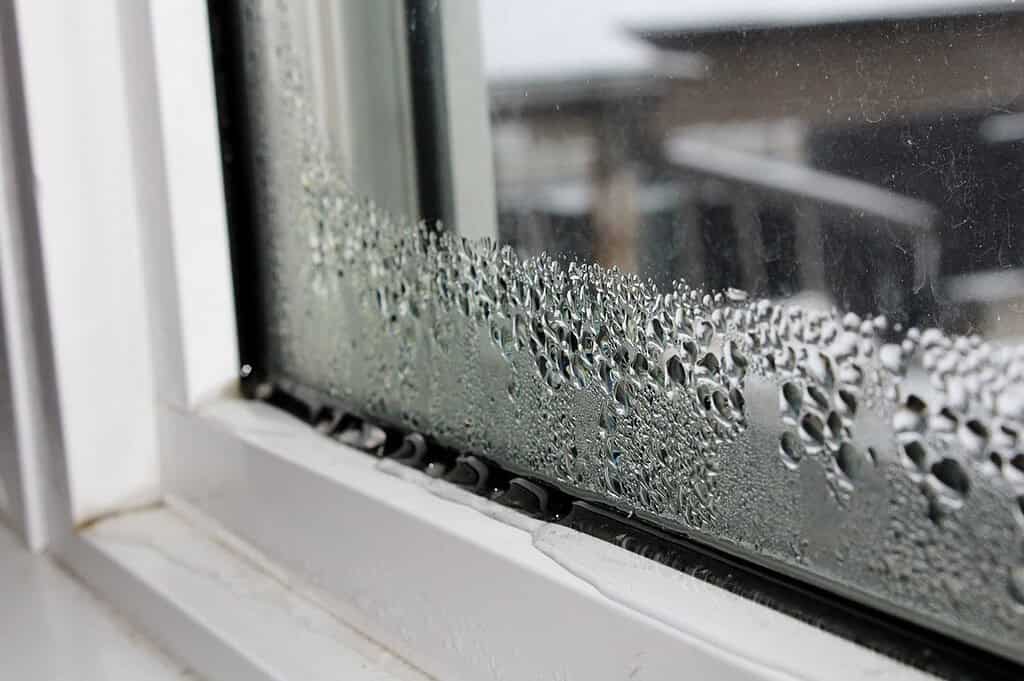
Condensation inside double glazed windows is a common issue that can affect your home’s energy efficiency and aesthetic appeal. But the good news is that it doesn’t always require replacing the windows. This guide will help you understand why it happens and how to get rid of condensation inside double glazed windows effectively, prolonging the life of your double glazing. How to Get Rid of Condensation Inside Double Glazed Windows?: Why Does Condensation Happen? Condensation inside the panes occurs when the seal around the double glazing fails, allowing moisture to enter the air gap. This may happen due to: How to Get Rid of Condensation Inside Double Glazed Windows?: Why Is It Important to Address It? Ignoring condensation can lead to: How to Get Rid of Condensation Inside Double Glazed Windows?: Effective Ways to Get Rid of Condensation 1. Desiccant Refill (Moisture Absorber) What It Does: Absorbs trapped moisture inside the window panes. How to Use: 2. Dehumidification Techniques What It Does: Reduces moisture levels around the window to prevent further condensation. How to Use: 3. Glass Pane Resealing What It Does: Restores the window’s ability to insulate effectively. How to Use: 4. Window Repair or Refurbishment What It Does: Addresses severe condensation or damage. How to Use: How to Get Rid of Condensation Inside Double Glazed Windows?: Preventing Condensation Regular Maintenance Improve Ventilation Control Indoor Humidity Avoid Blocking Vents How to Get Rid of Condensation Inside Double Glazed Windows?: FAQs Q1: Can condensation inside double glazed windows be fixed permanently?A1: Yes, professional resealing or replacing the glass unit can restore the window’s performance, often without requiring full replacement. Specialists may also use advanced drying and sealing methods to eliminate moisture. Q2: What is the cost of repairing condensation inside double glazed windows?A2: Depending on the extent of damage, resealing or refurbishing costs typically range from £50 to £150 per window. Larger or custom-sized units, as well as emergency repairs, may cost more depending on labour, access requirements, and materials used. Q3: How can I tell if my window needs to be replaced entirely?A3: If the frames are damaged or the condensation has persisted for years, replacing the entire window might be the most effective solution. Look for signs such as mould, draughts, or warped materials.
How Long Should Double Glazing Last? Signs It’s Time for an Upgrade
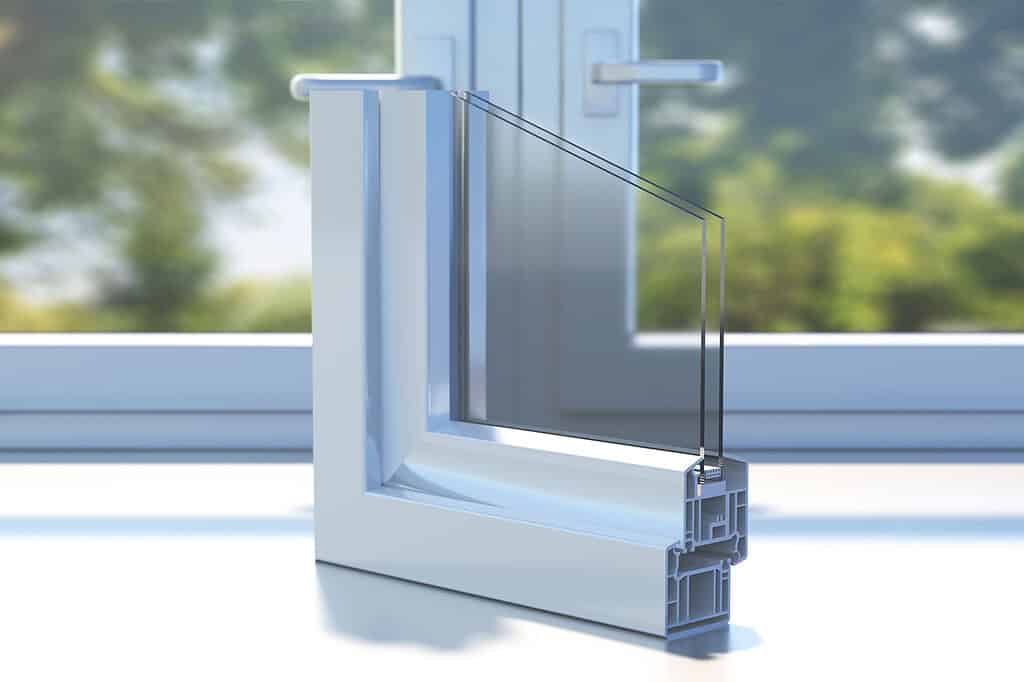
How long should double glazing last? Double glazing is a significant investment for homeowners, offering improved energy efficiency, soundproofing, and security. But like any feature of your home, it isn’t immune to wear and tear. So, how long should double glazing last, and how can you tell when it’s time for an upgrade? This guide explores the lifespan of double glazing and helps you identify when maintenance or replacement is needed. Typical Lifespan of Double Glazing On average, modern double glazing lasts between 20 to 35 years. However, its durability depends on several factors, including the quality of materials, installation, and regular maintenance. How Long Should Double Glazing Last?: Key Factors That Affect Longevity 1. Quality of Materials 2. Installation Standards Poor installation can compromise performance and reduce longevity. Always hire reputable professionals like those at Cove Glass to ensure proper fitting. 3. Environmental Conditions 4. Maintenance How Long Should Double Glazing Last?: Signs It’s Time to Replace Your Windows 1. Condensation Between Panes 2. Draughts and Cold Spots 3. Difficulty Opening or Closing Windows 4. Increased Energy Bills 5. Visible Damage How Long Should Double Glazing Last?: How to Extend its Life Clean Regularly Use non-abrasive cleaners to prevent scratches. Inspect Seals Annually Replace worn seals to maintain airtightness. Avoid Overloading Hinges Prevent leaning on open windows to avoid warping. Repaint or Treat Frames Timber frames require periodic treatment to protect against moisture. How Long Should Double Glazing Last?: When to Consider Upgrading Even if your double glazing hasn’t reached its typical lifespan, upgrading may be worthwhile if: Visit our Double Glazing Services page to explore modern, energy-efficient solutions tailored to your needs. FAQs Q1: Can double glazing last longer than 35 years? A1: Yes, with high-quality materials, expert installation, and proper maintenance, some double glazing units can last beyond 35 years. Q2: Is replacing old double glazing worth it? A2: Absolutely. Newer windows offer better energy efficiency, noise reduction, and security features, which can save money in the long run. Q3: How do I maintain my double glazing effectively? A3: Clean frames and glass regularly, lubricate moving parts, and inspect seals annually for wear or damage. For more ways to improve your home’s energy efficiency, check out the official Gov.uk page.
The Benefits of Laminate Glass: Enhanced Security and Safety
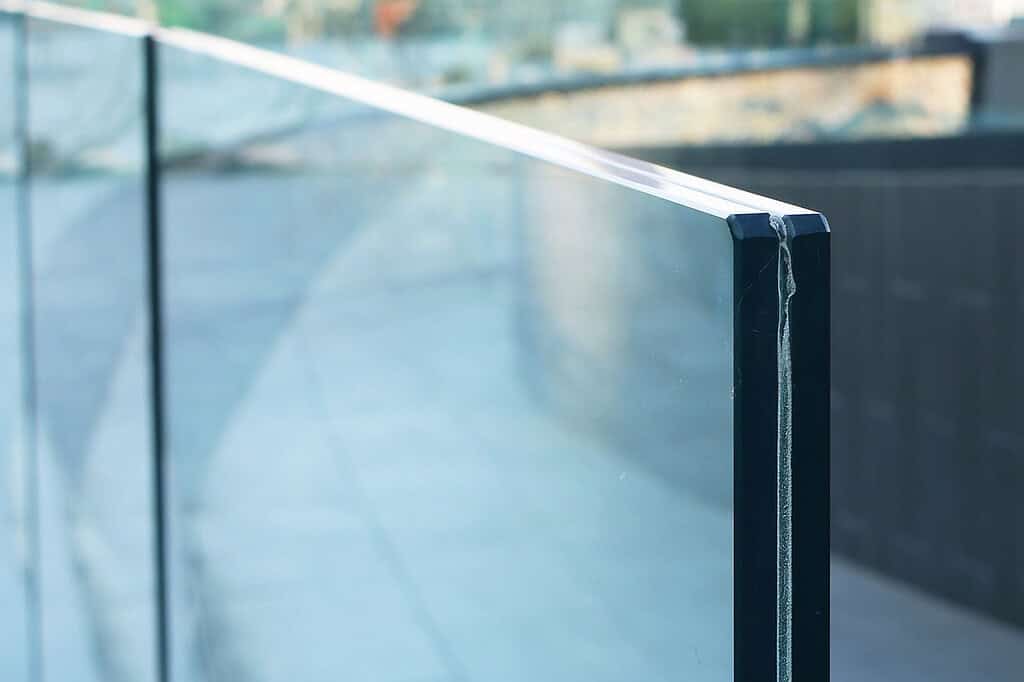
When it comes to choosing windows for your home or business, safety and security are top priorities. One material that stands out for its protective qualities is laminate glass. Known for its strength and durability, it offers several benefits beyond standard glazing. In this blog, we’ll explore how laminate glass enhances security and safety, making it a trusted choice for homes and commercial spaces alike. What Is Laminate Glass? Laminate glass is a type of safety glass made by sandwiching a layer of polyvinyl butyral (PVB) or ethylene-vinyl acetate (EVA) between two or more layers of glass. This process creates a strong bond that holds the glass together, even when shattered. Unlike regular glass, which breaks into dangerous sharp shards, it stays in place, offering increased safety. Laminate glass is commonly used in applications where security is essential, such as in car windshields, high-rise buildings, and residential homes where extra protection is desired. Key Benefits of Laminate Glass 1. Enhanced Security One of the biggest advantages of laminate glass is its ability to withstand impacts. Whether it’s from attempted break-ins or accidental damage, it offers an extra layer of protection by holding the broken pieces together if it is shattered. This makes it much harder for intruders to gain access, as breaking through it takes significantly more effort than with standard glass. For homeowners concerned about security, laminate glass provides peace of mind, knowing that the windows in their home offer a strong barrier against forced entry. 2. Improved Safety In addition to security, laminate glass greatly improves safety. If the glass does break due to an accident or extreme weather conditions, the interlayer holds the glass fragments in place. This prevents the dangerous, sharp shards that can cause injury, making it an excellent choice for homes with children or pets. Laminate glass is also resistant to wind-borne debris, making it a popular choice for homes in areas prone to storms or harsh weather conditions. 3. Noise Reduction Another benefit of laminate glass is its ability to reduce noise pollution. The interlayer in the glass helps absorb sound, making it an effective choice for homes in noisy areas, such as near busy roads or airports. By installing laminate windows, you can significantly reduce external noise, creating a more peaceful living environment inside your home. 4. UV Protection The PVB or EVA layer in laminate glass also offers UV protection. This means it blocks harmful ultraviolet rays from entering your home, protecting your furniture, carpets, and curtains from fading over time. This UV protection also helps regulate indoor temperatures, improving energy efficiency by reducing heat gain in the summer. 5. Increased Durability Laminate glass is designed to last longer than traditional glass. Its strength makes it resistant to everyday wear and tear, such as minor impacts or scratches. This added durability means you’ll have to replace your windows less frequently, saving you money in the long term. 6. Versatility and Aesthetics Laminated glass can be customised to meet a variety of aesthetic preferences. It comes in different colours, tints, and finishes, allowing you to choose the perfect style for your windows or doors. Whether you want to increase privacy with frosted laminated glass or enhance natural light with clear options, it offers flexibility in design while maintaining its protective qualities. Where Should You Use Laminate Glass? Laminate glass can be used in many applications where safety, security, or noise reduction is a priority. Common areas include: When it comes to safety, security, and durability, laminate glass offers unparalleled benefits. Its ability to resist impacts, hold broken pieces together, reduce noise, and block UV rays makes it a smart investment for both homes and businesses. If you’re looking to upgrade your windows or enhance the safety of your property, it is a reliable and long-lasting choice. For more information on the benefits of laminate glass and how it can be used in your home or business, visit our Double Glazing Services page for expert advice and installation. Frequently Asked Questions Q1: Is laminate glass better than tempered glass? A1: Both laminate and tempered glass offer safety features, but it provides better security because it stays intact when broken, while tempered glass shatters into small, blunt pieces. Q2: Can laminate glass be used in homes? A2: Yes, it is an excellent choice for homes, particularly in windows, doors, and skylights, due to its enhanced safety, noise reduction, and UV protection. Q3: Does laminate glass improve energy efficiency? A3: Yes, lit helps regulate indoor temperatures by blocking UV rays and reducing heat gain, which can contribute to improved energy efficiency in your home. Have a look at Gov.uk’s official page on building regulations to see if you need approval to install laminate glass
How to Soundproof a Window: Top Solutions for Noise Reduction

Living in a noisy area can be frustrating, especially when outside noise filters into your home. Whether it’s traffic, loud neighbours, or street sounds, soundproofing your windows is a simple yet effective solution. This guide will take you through proven methods on how to soundproof a window, ensuring your home remains a peaceful haven. Why Do You Need to Soundproof a Window? Windows are often the weakest point for sound to enter a home. While walls may block most external noise, single-pane windows or those without proper insulation allow sound to penetrate. Knowing how to soundproof a window helps: How To Soundproof a Window 1. Upgrade to Double Glazing One of the most effective answers to how to soundproof a window is by upgrading to double glazing. Double glazing involves two panes of glass with a gap of air or gas in between, which acts as an insulator, blocking noise from outside. For those who live in particularly noisy areas, acoustic glass may also be a worthwhile investment as it specifically targets noise reduction. 2. Use Window Inserts A more affordable and temporary solution is installing window inserts. These are transparent panels that fit snugly over your existing windows, creating an extra barrier to block noise. They’re easy to install and remove, making them ideal for renters or those looking for a quick fix. Window inserts can significantly reduce noise without the need to replace your windows entirely. 3. Install Heavy Curtains or Soundproof Blinds Sometimes, a straightforward solution like installing heavy curtains can make a noticeable difference. Acoustic curtains or soundproof blinds are specially designed to absorb sound, providing an additional layer of insulation against external noise. Opt for thicker materials, such as velvet or multi-layered fabric, which can trap and muffle sound more effectively. 4. Seal Gaps with Acoustic Caulk Even the smallest gaps around your windows can let in a significant amount of noise. Sealing these gaps with acoustic caulk is a low-cost and practical way to enhance your window’s soundproofing ability. Unlike regular caulk, acoustic caulk remains flexible and doesn’t crack over time, ensuring a long-lasting solution. 5. Add Soundproof Window Film Soundproof window film is another solution that is relatively easy to apply. While it won’t offer the same level of noise reduction as double glazing, it can help dampen external sounds and is ideal for those on a budget. In addition to reducing noise, some films can also provide insulation benefits, improving your home’s energy efficiency. Additional Tips for Reducing Noise Through Windows Beyond these primary solutions, here are a few extra tips to maximise your window’s soundproofing potential: Soundproofing your windows can dramatically improve the comfort of your home, reducing unwanted noise and creating a peaceful environment. Whether you opt for double glazing, soundproof inserts, or simply adding heavy curtains, each method offers its own answer to how to soundproof a window. If you’re looking for professional soundproofing solutions, double glazing is one of the best long-term investments. For more information on how to soundproof a window, visit our double glazing page or contact us for expert advice. Frequently Asked Questions Q1: How effective is double glazing for soundproofing? A1: Double glazing is one of the most effective ways to reduce noise from outside. It uses two panes of glass with an air gap to block sound waves, significantly reducing noise levels. Q2: Do you know how to soundproof a window without replacing them? A2: Yes, there are many ways to soundproof your windows without replacing them, including installing window inserts, using soundproof curtains, or applying acoustic caulk. Q3: Do you know how to soundproof a window cheaply? A3: The cheapest methods include using acoustic caulk to seal gaps, hanging heavy curtains, or applying soundproof window film. Find other ways to save energy in your home as well as double glazed windows on the official Gov.uk page.
How to Dispose of Broken Glass Safely: A Step-by-Step Guide
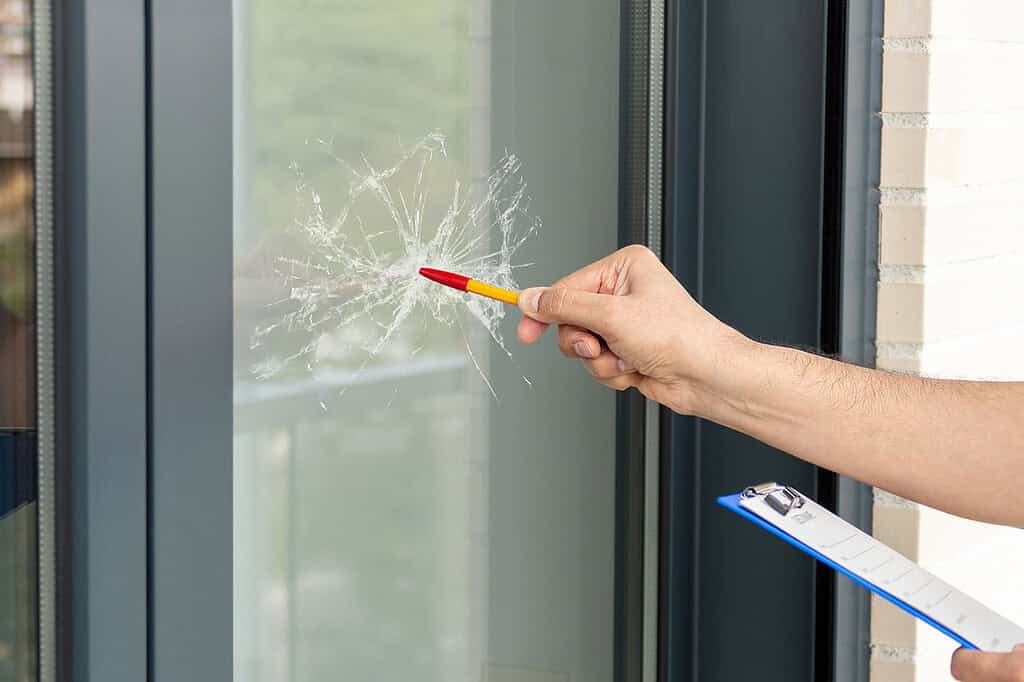
Accidents happen, and when they do, broken glass can pose a serious hazard to both people and pets. Whether it’s a shattered window, a broken drinking glass, or damaged mirrors, knowing how to dispose of broken glass safely and responsibly is essential. In this guide, we’ll take you through the proper steps for handling and disposing of broken glass to ensure safety and eco-friendly practices. Step 1: Prioritise Safety The first and most important step in how to dispose of broken glass is to prioritise safety. Broken shards can cause injuries if not handled with care. Here’s how to protect yourself and others: Step 2: Collect the Larger Pieces Begin by carefully picking up the larger pieces of broken glass. If the glass is in your home, you can use a piece of thick cardboard or paper to scoop up the shards. Step 3: Handle Small Shards and Debris After picking up the larger pieces, it’s important to ensure that all small shards and fragments are collected, as they can still be dangerous if left behind. Step 4: Wrap and Secure the Glass To prevent injuries during disposal, it’s crucial to wrap the glass securely. Here’s how: Step 5: Dispose of the Glass Responsibly In the UK, how you dispose of broken glass depends on your local council’s waste guidelines. Here are your options: Step 6: Prevent Future Breakages While accidents can’t always be avoided, there are steps you can take to reduce the risk of future breakages: Knowing how to dispose of broken glass properly ensures that you, your family, and waste workers stay safe from potential injuries. By following these steps — from safely collecting shards to responsible disposal — you can minimise hazards and reduce your environmental impact. Whether it’s a small broken glass or a larger windowpane, knowing how to dispose of broken glass essential for maintaining a safe home. If you need assistance with glass replacement or repairs, visit our Glazier Services page for professional help and advice. Frequently Asked Questions Q1: Can I recycle broken glass? A1: In most cases, broken glass should not be placed in your household recycling bin as it can pose a risk to waste handlers. However, larger items like broken windows may be accepted at local recycling centres. Check with your council for specific guidelines. Q2: What should I do if I find small shards of glass later? A2: If you discover small shards after the initial clean-up, use sticky tape to pick them up, or vacuum the area carefully. Always wear gloves when handling any glass. Q3: How do I safely dispose of a broken mirror? A3: Treat broken mirrors like any other broken glass by wrapping the pieces securely in newspaper or bubble wrap and disposing of them in your general waste. Larger mirrors may need to be taken to a recycling centre. Have a look at the official Gov.uk page for finding local hazardous waste disposal services.
How to Adjust Double Glazed Window Hinges: A Step-by-Step Guide
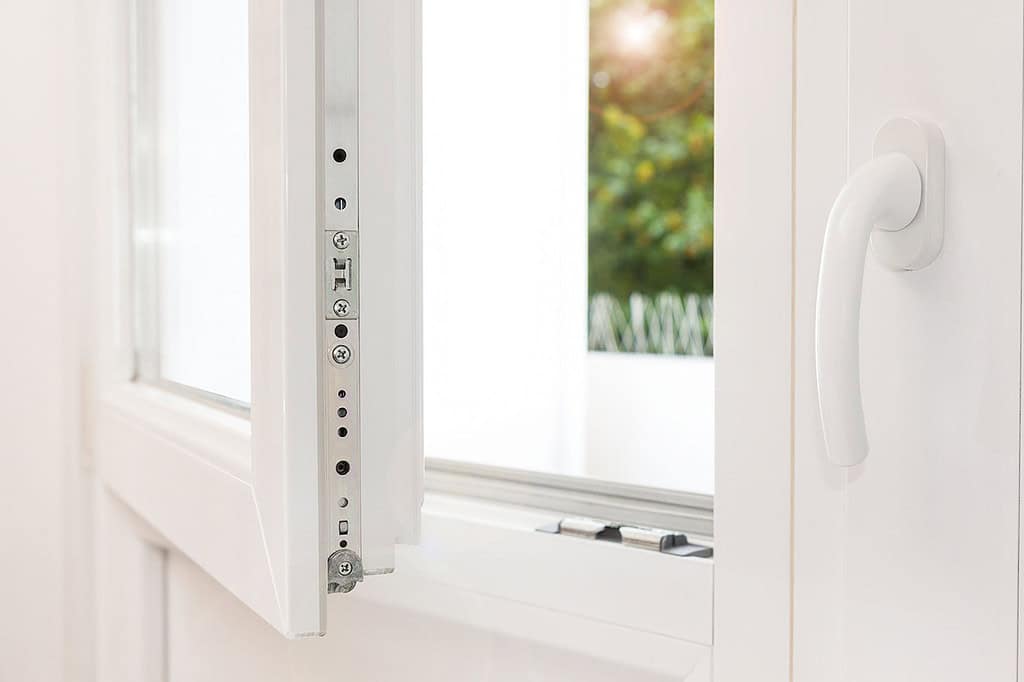
Double glazed windows are a fantastic way to improve energy efficiency and reduce noise in your home, but over time, they can become misaligned or difficult to open and close. Knowing how to adjust double glazed window hinges can save you from expensive repairs or replacements. In this guide, we’ll walk you through the process of adjusting window hinges to ensure a perfect fit and smooth operation. Why You Might Need to Adjust Double Glazed Window Hinges Double glazed windows may need adjustment for several reasons: Fortunately, adjusting the hinges on a double glazed window is a relatively simple DIY task that requires only a few basic tools. How To Adjust Double Glazed Window Hinges: Tools You Will Need Before you begin, gather the following tools: How To Adjust Double Glazed Window Hinges: Step-by-Step Guide 1. Identify the Type of Hinge The first step in how to adjust double glazed window hinges is identifying the type of hinge. Most common types include: The adjustment process may differ slightly depending on the type, but the general steps remain the same. 2. Open the Window Fully To access the hinges, you’ll need to open the window fully. Make sure it’s securely open before you start, as this will give you clear access to both the top and bottom hinges. 3. Tighten or Loosen the Screws Once you have access to the hinges, start by checking the screws holding the hinges in place. Over time, these screws can loosen, causing the window to sag or become misaligned. 4. Adjust the Height If your window has dropped or isn’t closing evenly, you may need to adjust the height. This is usually done with the help of an Allen key. 5. Adjust the Compression Compression refers to how tightly the window closes against the frame, ensuring a proper seal. If your window is letting in drafts, adjusting the compression may help. This adjustment ensures that your window closes tightly, helping to eliminate any drafts. 6. Check Alignment After making adjustments, use the spirit level to check that the window is aligned properly. The bubble should sit squarely in the centre. If it’s not level, you may need to make further adjustments to the hinges. 7. Test the Window Once all adjustments are made, test your window by opening and closing it several times. Ensure that it moves smoothly and that there are no gaps around the edges when closed. If everything looks good, your job is complete! Tips for Maintaining Double Glazed Windows To keep your windows in optimal condition, follow these maintenance tips: Learning how to adjust double glazed window hinges is a simple but effective way to maintain the performance and energy efficiency of your windows. Whether you’re dealing with drafts, alignment issues, or difficulty opening and closing, a few basic adjustments can resolve the problem. By following this guide, you can guarantee you know how to adjust double glazed window hinges and ensure your windows operate smoothly and remain in good condition for years to come. If you’re experiencing more complex issues or need further guidance on how to adjust double glazed window hinges, feel free to contact us at Cove Glass Double Glazing Services for expert advice and assistance. Frequently Asked Questions Q1: How often should I adjust my double glazed window hinges? A1: You should only need to adjust your window hinges if you notice operational issues such as drafts, stiffness, or misalignment. Regular maintenance checks can help prevent these problems. Q2: Can I adjust double glazed window hinges myself, or do I need a professional? A2: In most cases, adjusting window hinges is a simple DIY task that can be done with basic tools. However, if you’re unsure or the issue is more complex, it’s always best to consult a professional. Q3: What if my windows still have drafts after adjusting the hinges? A3: If drafts persist after adjusting the hinges, it could indicate an issue with the window seal or frame. In this case, it’s advisable to have a professional inspect the window for further repairs. Learn other ways to save energy in your home beyond double glazed windows with Gov.uk’s official page.
How Often Should Windows Be Replaced? Signs to Look For
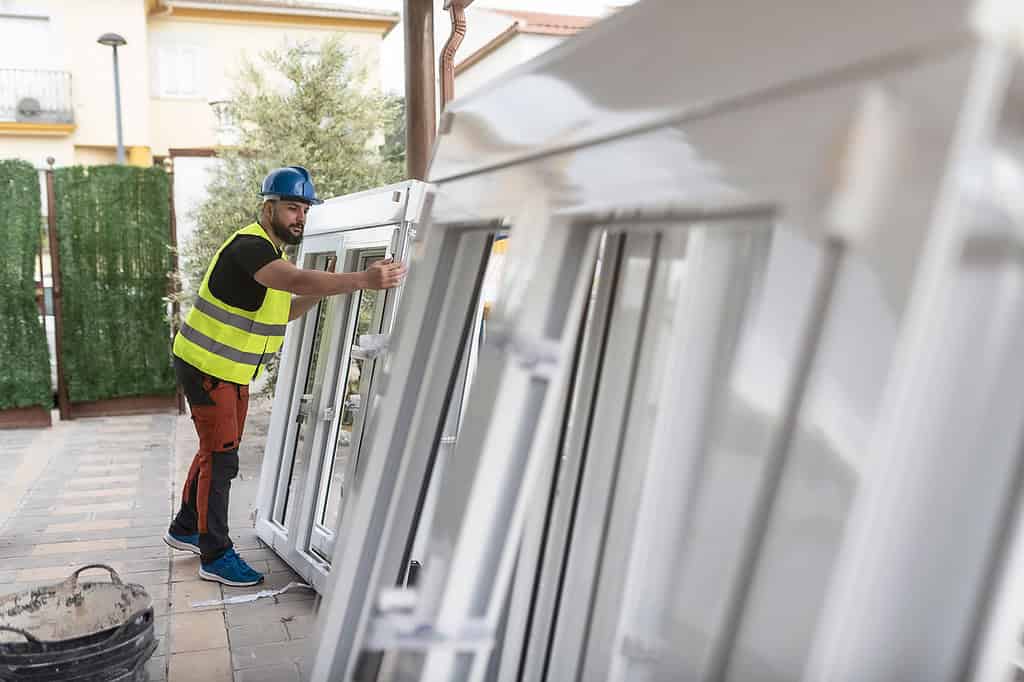
Windows are an essential part of every home, providing light, ventilation, and insulation. However, like most things, they don’t last forever. A common question homeowners ask is: how often should windows be replaced? While the lifespan of windows can vary, there are certain signs that indicate it’s time for a replacement. This guide will help you understand how often windows need replacing, the signs to watch for, and why timely replacement is essential for maintaining energy efficiency and home comfort. How Often Should Windows Be Replaced? On average, windows last between 15 to 30 years, depending on their type and the materials used. However, this can vary based on factors such as maintenance, climate, and the quality of installation. Regular inspection and upkeep can extend the lifespan of your windows, but eventually, even well-maintained windows will need replacing. Here’s a general idea of how long common window types last: Signs It’s Time to Replace Your Windows So, how do you know when it’s time to replace your windows? Here are the key signs to look for: 1. Difficulty Opening or Closing Windows If your windows stick, are hard to open, or won’t stay open on their own, it’s a sign that their mechanisms may be worn out or damaged. Over time, frames can warp or shift, making them difficult to operate and compromising their functionality. 2. Drafts and Cold Air Leaks One of the most common reasons for window replacement is poor insulation. If you feel a draft coming through the windows or notice cold air leaks during winter, your windows may no longer provide an effective seal. This can result in higher energy bills as your heating system works harder to maintain a comfortable indoor temperature. 3. Condensation Between the Glass Panes Double- or triple-glazed windows are designed to trap gas between the panes for better insulation. However, if you notice condensation or fogging between the panes, it’s a sign that the seals have failed, reducing the window’s energy efficiency. Once the seal is compromised, replacing the glass or the entire window is often necessary. 4. Noticeable Damage or Rot Visible damage, such as cracks, warping, or rot, is an obvious sign that your windows need replacing. Wooden windows, in particular, are prone to rot if not properly maintained. Damaged windows not only look unattractive but can also lead to further structural issues if left untreated. 5. Increased Noise Levels Windows play a role in soundproofing your home. If you notice more noise from the outside, especially in urban or busy areas, your windows may no longer be effective at blocking sound. Upgrading to modern, double-glazed windows can help reduce noise and create a quieter indoor environment. 6. Higher Energy Bills A sudden spike in your energy bills could be a sign that your windows are no longer performing as they should. Windows with poor insulation allow heat to escape during the winter and let in unwanted warmth during the summer, making your heating and cooling systems work harder. Energy-efficient window replacements can help reduce your energy costs and improve comfort. Benefits of Replacing Windows Replacing your windows can provide a range of benefits that make it a worthwhile investment. Here’s why you should consider timely window replacement: How Often Should You Inspect Your Windows? Even if you’re not experiencing any obvious issues, it’s a good idea to inspect your windows at least once a year. Whilst you’re wondering how often should windows be replaced, look for signs of wear and tear, such as peeling paint, water damage, or difficulty opening and closing. Regular inspections can help you spot potential problems early and extend the life of your windows. While most windows last between 15 and 30 years, several factors can influence when it’s time to replace them. If you’re dealing with drafts, condensation, damage, or rising energy bills, it may be time to invest in new windows. Replacing old or faulty windows not only improves your home’s energy efficiency but also enhances comfort, security, and overall value. If you’re considering a window replacement, we’re here to help. Visit our Window Replacement Services page for expert advice beyond how often should windows be replaced, and quality installation tailored to your needs. Frequently Asked Questions Q1: How often should windows be replaced if they are double-glazed? A1: Double-glazed windows typically last between 20 and 30 years, depending on the quality of the installation and maintenance. Q2: Can I replace windows one at a time? A2: Yes, it’s possible to replace windows individually, although replacing multiple windows at once can sometimes be more cost-effective. Q3: Are new windows a good investment? A3: Yes, new windows can improve your home’s energy efficiency, enhance curb appeal, and increase property value, making them a solid long-term investment. Find out other ways you can save energy in your home with Gov.uk’s official page.
How Much Is Window Glass Replacement? A Complete Cost Breakdown
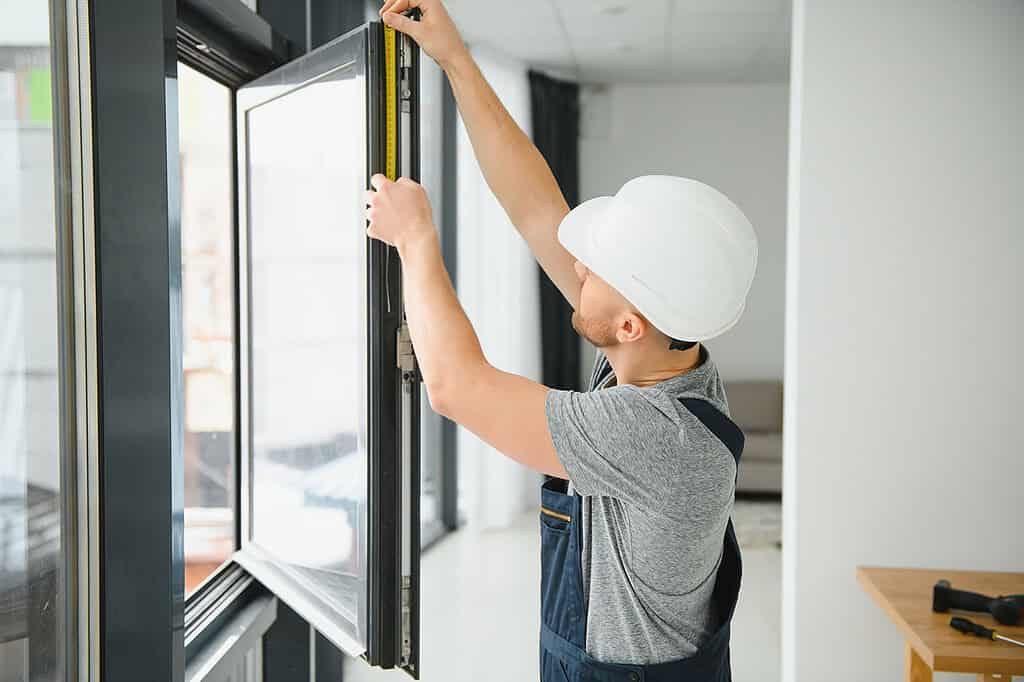
When a window gets damaged, one of the first questions that come to mind is: how much is window glass replacement? While the cost can vary depending on several factors, having a clear understanding of the pricing structure can help you plan your budget effectively. In this guide, we’ll explore the average costs involved, what affects the price, and how to ensure you’re getting the best value for your investment. How Much Is Window Glass Replacement? On average, window glass replacement in the UK can cost anywhere from £100 to £350 per window, depending on several factors. This price typically includes the cost of materials and labour for standard windows, but specialised or larger windows may come with higher price tags. Here’s a breakdown of typical replacement costs for common window types: 1. Single-Pane vs. Double-Glazed Glass The cost of replacing window glass depends largely on whether you have single-pane or double-glazed glass. Single-pane glass is cheaper but less energy-efficient, while double-glazed glass provides better insulation and can save on heating costs in the long run. Double-glazed replacements typically cost more due to the additional layer of glass and gas filling. 2. Labour Costs Labour costs can range between £50 to £100 per hour, depending on your location in the UK. A professional glazier will typically take around 1-2 hours to complete a window glass replacement, but this can vary based on the window type and any complications that arise during the installation. Factors That Affect How Much Is Window Glass Replacement Several key factors influence the final cost of replacing window glass. Understanding these can help you anticipate what you might need to spend: 1. Type of Window The type of window you have plays a significant role in how much the replacement will cost. Simple windows, like single-pane or small casement windows, are generally cheaper to replace. On the other hand, bay windows, custom designs, or larger windows will require more materials and labour, which increases the cost. 2. Size of the Window Larger windows naturally cost more to replace because they require more glass and more work. If you have a large picture window or sliding doors that need glass replacement, expect to pay a premium compared to smaller standard windows. 3. Location of the Window Windows that are difficult to access, such as those on higher floors or in awkward positions, may result in higher labour costs due to the need for additional safety equipment or scaffolding. 4. Type of Glass The type of glass you choose also affects the price. Basic glass is less expensive, while options like tempered glass or laminated glass, which offer better durability and safety, can increase the overall cost. Additional Considerations for Window Glass Replacement When budgeting for window glass replacement, it’s essential to consider a few other aspects that may affect your final bill. Emergency Window Glass Replacement Costs In cases where window glass breaks suddenly due to impact, weather damage or vandalism, you may need emergency replacement services. Emergency call-outs usually cost more, especially outside normal working hours or during weekends. With Cove Glass, you can expect to pay a premium for fast-response services, with additional charges ranging from £50 to £150 depending on location and urgency. However, a reliable glazier will clearly outline these costs before carrying out any work. Emergency glass replacement is common in both residential and commercial settings, particularly where safety and security are compromised. For example, a shopfront window in need of urgent boarding up and glass replacement may incur higher fees due to the need for reinforced or laminated glass. While it may cost more upfront, emergency services help restore safety quickly, avoiding more costly damage from exposure or break-ins. If you’re searching for urgent window glass replacement near me, always choose a trusted local provider with transparent pricing. How Glass Type Influences Longevity and Cost Not all window glass is created equal, and the type you choose will influence both the cost and how long it lasts. Standard float glass is the most affordable but is also the least durable. Tempered or toughened glass costs more but offers better impact resistance, making it ideal for patio doors or windows in busy households. Laminated glass, often used for added security or soundproofing, is also more expensive due to its layered construction. Then there’s energy-efficient glass such as low-E or argon-filled units, which reduce heat loss and can lower your energy bills over time. These options cost more upfront but provide savings in the long run. If you live in a conservation area or have sash windows in a period property, the glass type may need to meet specific regulations, which can also affect price. Choosing the right type of glass isn’t just about cost — it’s about long-term performance and value. Can You Replace Just the Glass Without Changing the Frame? In many cases, yes — you can replace just the glass and keep the existing window frame, which helps reduce overall costs. This is a common solution for customers with uPVC, aluminium or well-maintained timber frames that are still structurally sound. Replacing only the glass unit is especially popular when dealing with double glazing failures such as misted or cracked panes. It’s also a faster job, often completed in just a couple of hours. However, if the frame is warped, damaged by water, or showing signs of rot, it may be more cost-effective in the long term to replace the entire window unit. A professional glazier will inspect the frame during the initial visit and offer honest advice about whether a full replacement is needed. Opting for glass-only replacement can be a smart way to restore clarity, insulation and security without the cost and hassle of replacing the whole window structure. Regional Differences in Window Glass Replacement Prices Window glass replacement costs can vary depending on where you live in the UK. Generally, prices in larger cities like London, Manchester or Birmingham tend to be higher due to increased labour
How Long Does It Take to Replace a Window? A Step-by-Step Guide
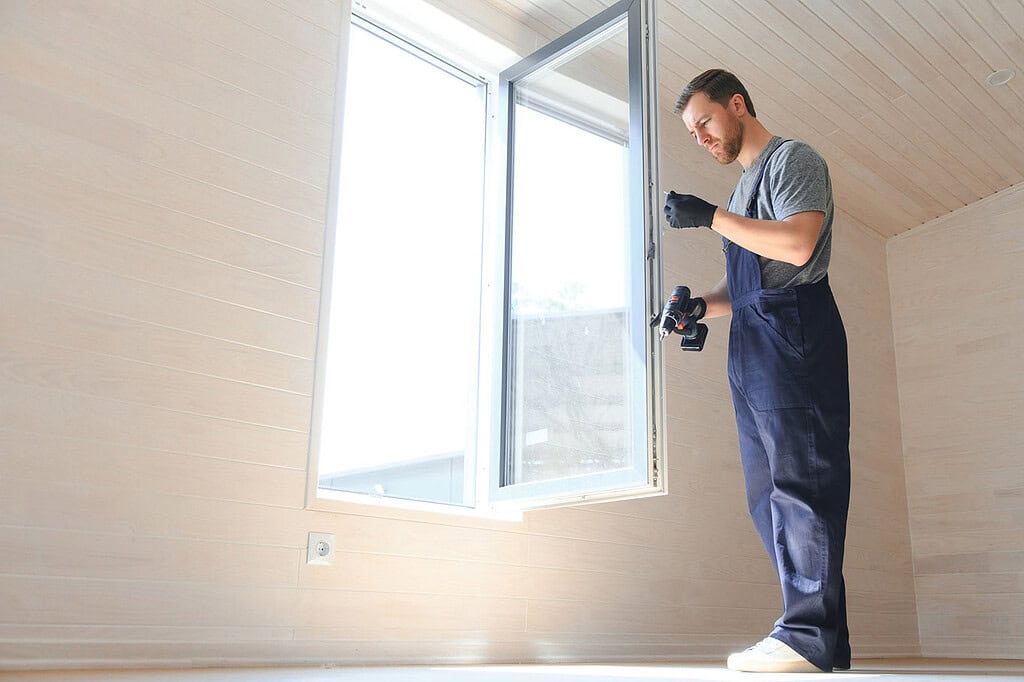
Replacing a window can seem daunting, but understanding the process and knowing what to expect in terms of time can make the experience much smoother. So, how long does it take to replace a window? In this guide, we’ll explore the various steps involved, the factors that affect replacement time, and how to ensure the process goes as quickly and efficiently as possible. How Long Does It Take to Replace a Window? The time it takes to replace a window depends on several key factors. Typically, for a professional installer, replacing a single window can take around 1-2 hours. However, larger projects like replacing multiple windows or addressing unforeseen issues can extend this timeframe. Let’s break down the process step by step. 1. Initial Inspection and Measurements Before the actual replacement begins, a professional will need to measure your windows accurately. This step is crucial because precise measurements ensure that your new window fits perfectly. This inspection and measurement stage typically takes about 30-60 minutes. 2. Removing the Old Window Once the measurements are done, the old window needs to be removed. This process involves carefully taking out the window without damaging the surrounding wall or frame. Removal usually takes between 20 and 40 minutes, depending on the condition of the window and how easily it can be removed. 3. Installing the New Window After removing the old window, the next step is installing the new one. The installer will fit the new window into place, ensuring it is level and securely fastened. This step generally takes about 30-60 minutes, depending on the size and style of the window. 4. Sealing and Insulating the Window Once the new window is in place, the installer will apply seals and insulation to make sure the window is energy efficient and weatherproof. This can take an additional 20-30 minutes but is essential for ensuring your window functions well and lasts long. 5. Final Inspection and Clean-up After installation, the final step is an inspection to ensure everything is in order and the window operates smoothly. Any debris from the removal and installation will also be cleared away. This typically takes around 15-30 minutes. Factors That Affect Window Replacement Time While the average replacement time for a window is 1-2 hours, various factors can extend how long does it take to replace a window: Tips to Speed Up the Window Replacement Process If you’re looking to minimise the time it takes to replace your windows, here are a few tips: In most cases, the answer to how long does it take to replace a window is no longer than a couple of hours. However, the total time depends on several factors such as the window type, the number of windows being replaced, and the condition of the surrounding area. By preparing in advance and working with a skilled professional, you can ensure a smooth, timely window replacement process. If you’re considering replacing your windows, we invite you to explore our Window Replacement Services for more information beyond how long does it take to replace a window. Our team is here to help you choose the best windows for your home and ensure a quick, hassle-free installation. Frequently Asked Questions Q1: Can I replace a window myself? A1: While it’s possible to replace a window yourself, hiring a professional ensures proper installation and prevents potential issues with insulation, fitting, or sealing. For information on planning permissions, have a look at the official Gov.uk page Q2: How long does it take to replace a window if there are several? A2: Replacing several windows can take anywhere from one full day to several days, depending on the number of windows and their complexity. Q3: Do I need to be home for the window replacement? A3: It’s generally recommended to be at home during the replacement to ensure everything runs smoothly and to address any concerns the installer might have.