

When glass becomes cracked or a double-glazed unit turns cloudy, approximate measurements can help explain the problem to a glazier. They provide an indication of the affected pane’s size and help distinguish it from other sections within the same window.
However, measuring the visible glass for an enquiry is different from establishing the dimensions needed to order its replacement. The full pane dimensions, thickness and glazing specification require checking before the glass is arranged. This guide explains what information you can provide and what a professional assessment needs to establish.
Start with the Glass That Needs Replacing
Before taking measurements, identify the affected section. A window may contain several separate panes, including smaller opening sections and larger fixed sections, so describing the whole window’s size may not identify the replacement required.
Our glass replacement service in Aldershot focuses on damaged glazing within suitable existing frames. The enquiry should therefore describe the affected pane or sealed unit rather than the complete window opening in the wall.
A simple sketch can help if several sections look similar. Label the panes by their position, such as the lower-left section or the larger central pane, and connect those labels to your photographs. This makes it easier to explain which glass needs attention.
Understand Approximate and Final Measurements
The glass you can see is not necessarily the complete pane. Its edges normally extend into the surrounding glazing arrangement, where they are held in place and partly concealed.
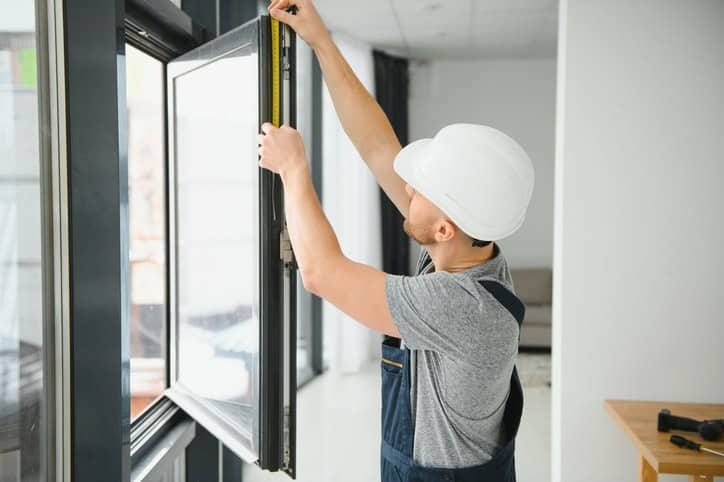
A measurement across the exposed surface therefore describes the visible area rather than confirming the full replacement dimensions. It can be useful when discussing an enquiry, but it should be clearly identified as an approximate visible measurement.
The final specification may also need to account for the glass thickness, the construction of a sealed unit and the requirements of the opening. These details cannot reliably be established from visible width and height alone.
Avoid adding or subtracting a standard allowance to turn an approximate measurement into an ordering size. Different glazing arrangements have different requirements, so the replacement dimensions need to be checked for the individual opening.
Recording Visible Glass Measurements for an Enquiry
Only take approximate measurements where the glass and access allow this to be done safely. If a pane is cracked, loose or partly missing, describe the damage and provide photographs from a safe position instead.
You do not need measurements before contacting Cove Glass. They can assist the initial discussion, but an enquiry can begin with your postcode, photographs and an explanation of the problem.
Note the Visible Width
For an intact, safely accessible pane, record the approximate horizontal distance across the visible glass. Identify where you measured and avoid including the outer window frame or the surrounding wall opening.
Write the result in millimetres and label it as the visible width. This helps prevent confusion between the size of the affected glass and the dimensions of the complete window.
Note the Visible Height
Record the approximate vertical distance across the same visible pane. Use millimetres again and label the figure as the visible height, keeping it with the width measurement for that section.
For example, you might describe a pane as having a visible area of approximately 620mm wide by 980mm high. Those figures help communicate its size, but they are not confirmed dimensions for ordering replacement glass.
Keep Separate Records for Different Panes
Where several panes need attention, record each affected section separately. Similar-looking openings can have different dimensions, especially where windows have been altered or individual units replaced in the past.
A room name and position are often enough to distinguish the sections. Descriptions such as “front bedroom, right-hand pane” are more useful than a collection of measurements without any indication of where they belong.
Explain the problem affecting each section as well. One pane might be cracked while another has condensation between the layers of glass, and those details help establish the glazing that needs assessment.
Cove Glass checks the proposed replacements individually. The quotation should identify the affected panes so you understand which sections are included before arranging the work.
Single Glazing and Double Glazing Require Different Checks
A single-glazed opening contains an individual pane, while double glazing consists of two panes assembled into a sealed unit. The replacement requirements depend on which construction is present.
For a double-glazed unit, width and height are only part of the specification. The overall unit thickness and relevant glass characteristics also need establishing before a replacement can be ordered.
If you know whether the affected section is single or double glazed, include that information in your enquiry. If you are unsure, describe what you can see and let the glazier explain the further checks required.
Our double glazing repairs in Aldershot cover damaged and failed units within suitable existing frames. We assess the affected glazing rather than assuming every unit uses the same specification.
Photographs Help Explain the Glazing Arrangement
An overall photograph can show how the affected pane sits within the window. A closer image can help illustrate a crack, internal misting or a visible characteristic such as a patterned finish.
Both views can be useful because a close-up alone may not show the surrounding arrangement or access. Include the room name or pane label when sending images so it is clear which photograph relates to each measurement.
Take photographs only from a safe position. There is no need to lean outside, use a ladder or approach unstable glass to obtain an image for an initial enquiry.
Also explain anything the photographs may not show. The floor level, restricted working space and arrangements for entering the property can all be relevant when planning an assessment.
What the Glazier Needs to Establish
A professional assessment checks the replacement requirements beyond the approximate information supplied with the enquiry. This includes the final dimensions, glass specification and suitability of the existing opening.
The Glass and Glazing Federation’s guidance on window repairs highlights the need for exact measurements when ordering replacement sealed units. Those measurements allow the new unit to be specified for the affected opening.
Appearance may need consideration alongside dimensions. Tint, texture and reflection can influence how replacement glass looks beside neighbouring panes, so relevant characteristics should be discussed before the order is placed.
Cove Glass explains the assessment required and identifies any limitation affecting the proposed glazing work. We do not rely on approximate visible measurements alone to establish the finished replacement.
Why the Surrounding Frame Still Matters
Glass replacement depends on the surrounding frame being suitable to support and retain the proposed glazing. The condition of the opening therefore needs checking even when the visible problem appears limited to the pane.
This assessment helps establish whether the work can be completed within the existing arrangement. If damage or another condition prevents a suitable glass replacement, the limitation needs to be explained before the work is agreed.
There is no need to remove glazing beads, seals or other components to prepare an initial enquiry. Leave those checks to the glazier and provide the information that can be gathered safely from the existing window.
From Your Enquiry to a Replacement Quotation
Start by providing the property’s postcode and a description of the affected glass. Approximate visible measurements, photographs and details of the pane’s position can then support the initial discussion.
Cove Glass explains whether further inspection or measurements are needed before confirming the replacement. The quotation considers the glass specification, number of affected sections and practical requirements such as access and handling.
For rented or commercial premises, identify who will authorise the work and provide access. Establishing these details helps coordinate the assessment and replacement appointments with the people responsible for the property.
If the glass is broken and needs urgent attention, call to describe the situation and confirm availability. Measurements are not a prerequisite for discussing an urgent glazing enquiry.
Arrange Replacement Glazing with Cove Glass
Cove Glass provides glazing repairs and replacement glass in Aldershot and surrounding areas. Customers can also enquire through our glazier services in Guildford when arranging work at a property nearby.
You do not need to know the exact ordering dimensions before getting in touch. A clear description of the problem and the property’s location provide a starting point, with any further checks explained during the enquiry.
Contact Cove Glass to discuss damaged panes or failed double-glazed units. We will explain the assessment needed and provide a quotation based on the replacement glazing and work required.